

August 11, 2026 at 12:00 PM ET
[Webinar] Rethinking Pediatric Sepsis-Associated AKI: What Clinicians Should Know About QUELIMMUNE®
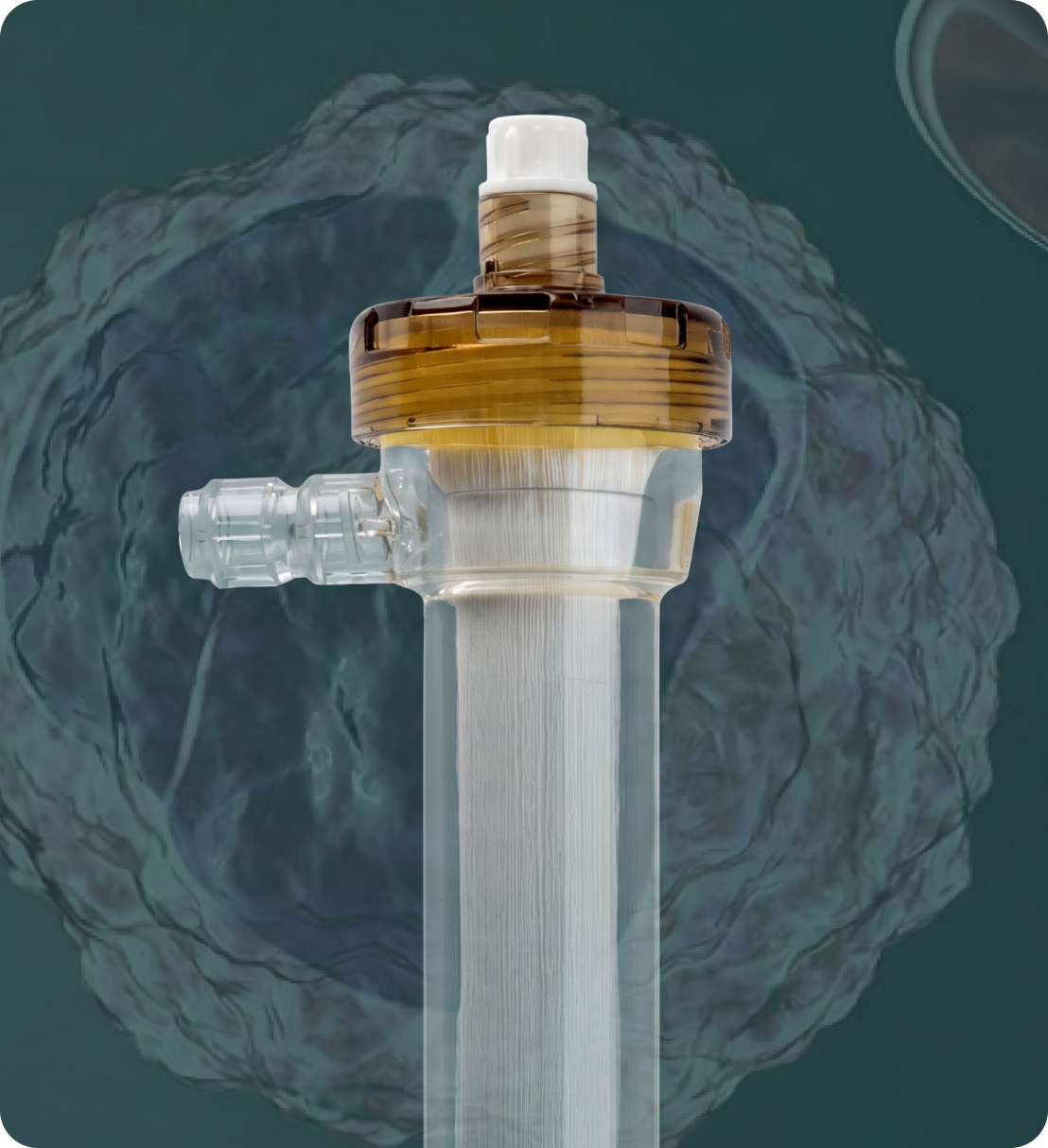
This webinar introduces QUELIMMUNE®, an innovative therapy designed to address the underlying drivers of sepsis-associated AKI in pediatric patients on CRRT. QUELIMMUNE® the Selective Cytopheretic Device for Pediatrics (SCD-PED) is indicated for treatment of pediatric patients (weight ≥10kg and age ≤22 years) with acute kidney injury (AKI) due to sepsis or a septic condition on antibiotic therapy and requiring renal replacement therapy (RRT).
What you’ll learn
What can viewers anticipate learning?
- The clinical burden and pathophysiology of pediatric sepsis-associated AKI
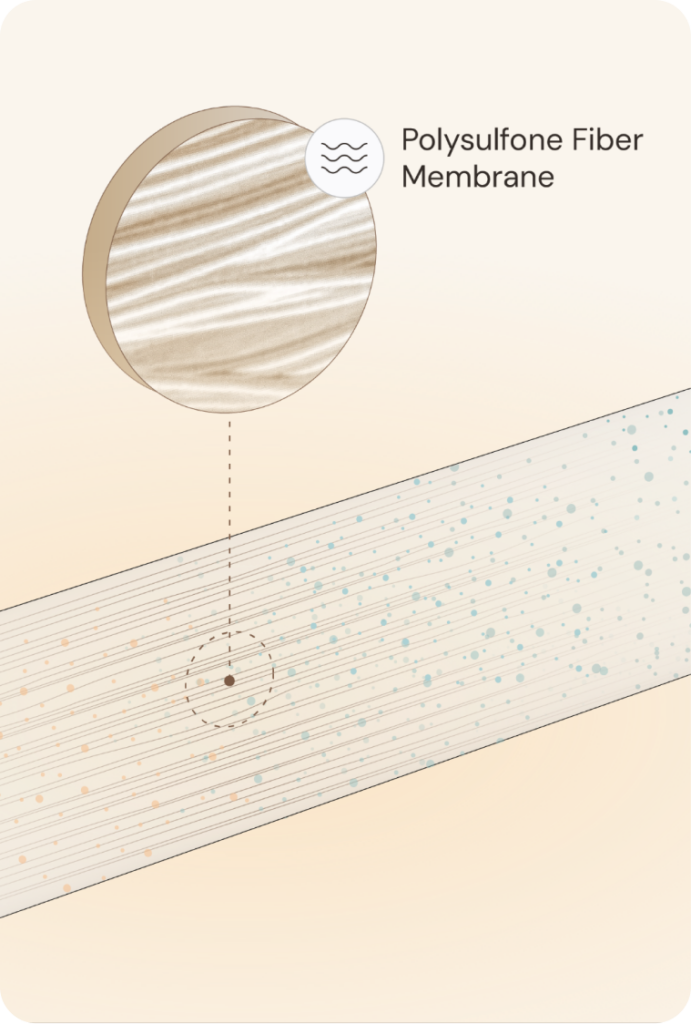
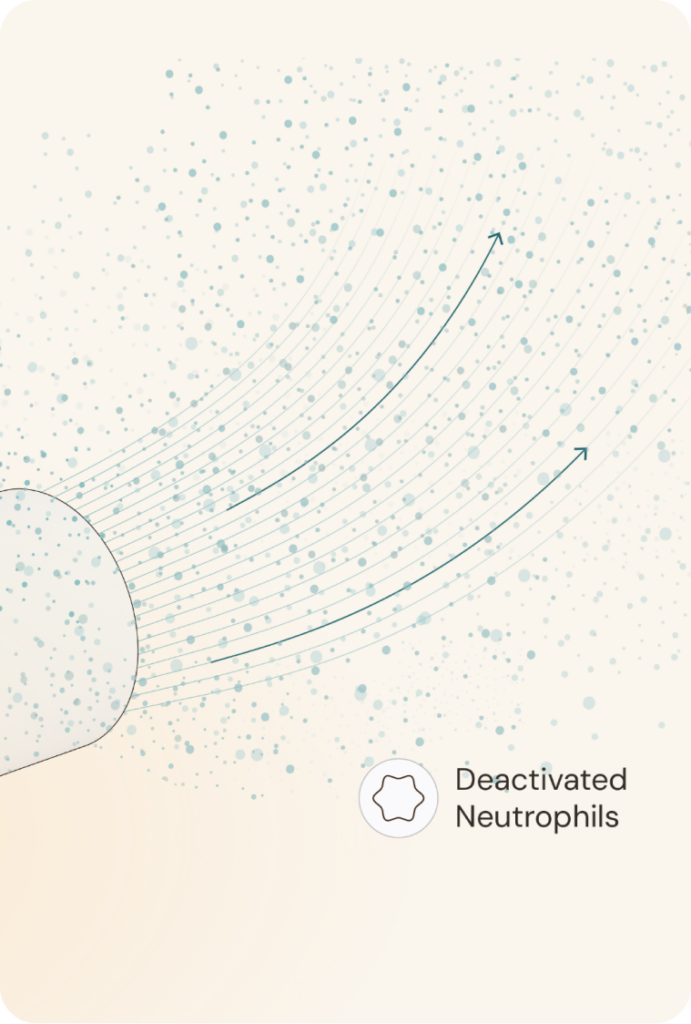
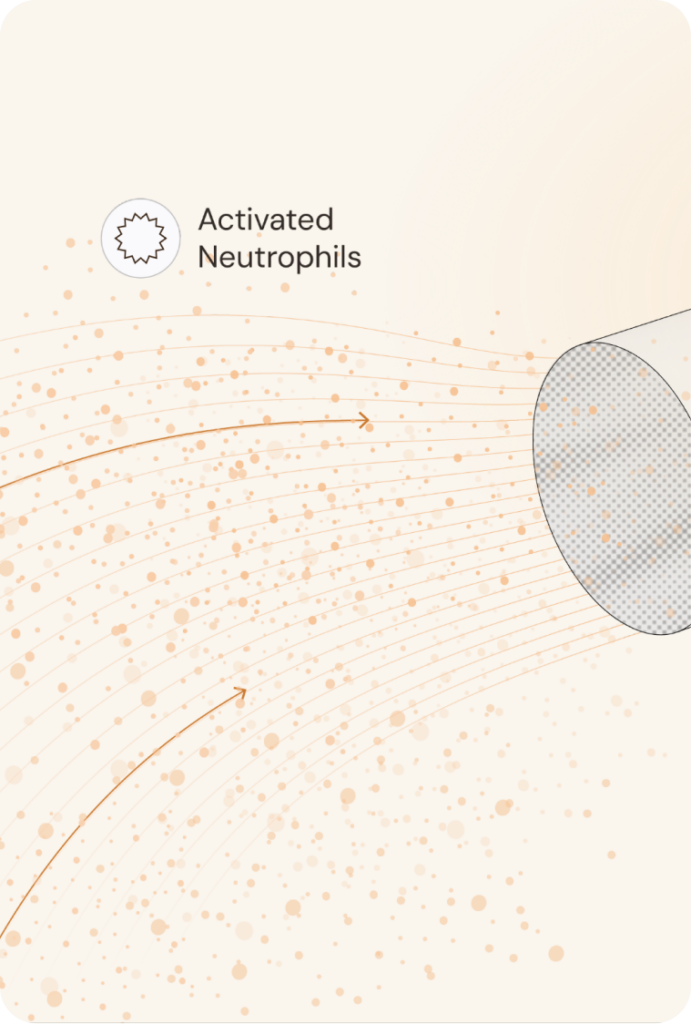
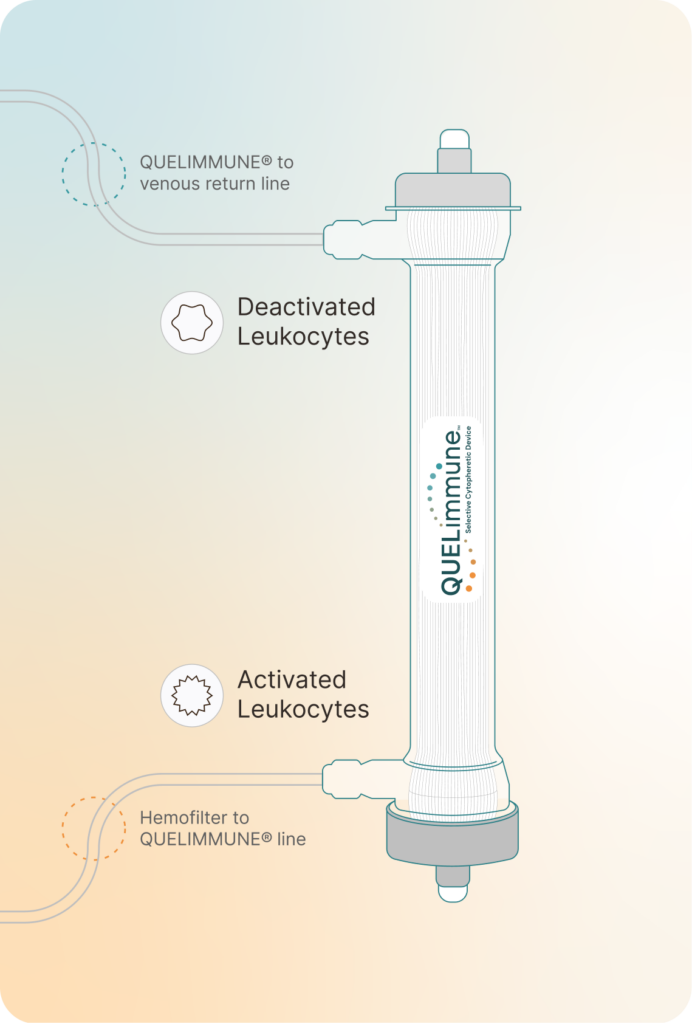
- Key concepts behind the QUELIMMUNE® mechanism of action
- Emerging evidence supporting its use and patient cases shared directly from Physician leaders in nephrology and critical care
- Considerations for integrating QUELIMMUNE® into clinical practice
- What institutions should know when evaluating new AKI therapies

About QUELIMMUNE®
About QUELIMMUNE® and SeaStar Medical
QUELIMMUNE® the Selective Cytopheretic Device for Pediatrics (SCD-PED) is indicated for treatment of pediatric patients (weight ≥10kg and age ≤22 years) with acute kidney injury (AKI) due to sepsis or a septic condition on antibiotic therapy and requiring renal replacement therapy (RRT). The device is connected in-line to an existing hemodialysis delivery system’s extracorporeal continuous renal replacement therapy (CRRT) circuit.
QUELIMMUNE® was approved by FDA under a Humanitarian Device Exemption based on safety and probable benefit. The effectiveness of this device for this use has not been demonstrated. Adverse reactions observed in clinical studies include hypotension, hypothermia, tachycardia, hyperglycemia, and thrombocytopenia. Additional risks may include blood loss or extracorporeal circuit complications. QUELIMMUNE® must be used with citrate anticoagulation.
Meet the experts
Leading clinicians sharing clinical experience and evidence

Dr. Stuart Goldstein MD, FAAP, FNKF
Theresa Mottes APRN-NP, CPNP-AC, CDN

Katie Plomaritas BSN, RN

Dr. Stephen Gorga MD, MSC, FAAP

Dr. Kevin Chung, MD
What is QUELIMMUNE®
Secure your spot today
August 2026. Live webinar. Expert faculty. Clinical insights you can implement immediately.