
August 15, 2026 at 1:00 PM ET on Microsoft Teams
Pediatric AKI and immunomodulation without immunosuppression
Join leading ICU intensivists, nephrologists, and clinical nurse managers for a focused discussion on emerging approaches to sepsis-induced acute kidney injury in pediatric patients.
What you’ll learn
QUELIMMUNE in Practice: Navigating Pediatric AKI and ICU Integration
In this session, viewers will explore the clinical burden of sepsis-induced pediatric AKI and the limitations of current treatment approaches. Participants will receive a clear, accessible overview of QUELIMMUNE’s mechanism of action and discover exactly where it fits within the pediatric care pathway.
Through real-world clinical insights covering patient selection, optimal timing, and practical ICU workflow integration, attendees will be equipped with the key considerations needed to evaluate their current CRRT programs and determine if this therapy is appropriate for their institution
Suspendisse potenti. Vivamus non arcu tincidunt, congue massa at, porttitor velit. Curabitur lacinia nisl ut turpis convallis, at dictum urna aliquet. Nullam non urna eget felis interdum feugiat. Morbi vel neque elit. Nullam a luctus leo. Integer maximus sapien in bibendum scelerisque.
Why attend
QUELIMMUNE in Practice: Navigating Pediatric AKI and ICU Integration
In this session, viewers will explore the clinical burden of sepsis-induced pediatric AKI and the limitations of current treatment approaches. Participants will receive a clear, accessible overview of QUELIMMUNE’s mechanism of action and discover exactly where it fits within the pediatric care pathway.
Through real-world clinical insights covering patient selection, optimal timing, and practical ICU workflow integration, attendees will be equipped with the key considerations needed to evaluate their current CRRT programs and determine if this therapy is appropriate for their institution
Vehicula magna at lacus interdum, quis laoreet nulla condimentum. Aliquam erat volutpat. Cras et nulla in turpis consectetur suscipit. Vivamus lobortis, risus sit amet cursus tincidunt, erat turpis placerat ex, ut placerat justo lorem vel ligula. Fusce non diam felis.
About QUELimmune
QUELIMMUNE in Practice: Navigating Pediatric AKI and ICU Integration
In this session, viewers will explore the clinical burden of sepsis-induced pediatric AKI and the limitations of current treatment approaches. Participants will receive a clear, accessible overview of QUELIMMUNE’s mechanism of action and discover exactly where it fits within the pediatric care pathway.
Through real-world clinical insights covering patient selection, optimal timing, and practical ICU workflow integration, attendees will be equipped with the key considerations needed to evaluate their current CRRT programs and determine if this therapy is appropriate for their institution
Praesent placerat, magna in vehicula vestibulum, felis urna cursus lorem, sed vestibulum quam eros vel libero. Vivamus commodo, odio sed fringilla pretium, sem nulla feugiat odio, in cursus elit dolor et ex.
Meet the experts
Leading clinicians sharing clinical experience and evidence

Dr. Stuart Goldstein MD, FAAP, FNKF

Theresa Mottes APRN-NP, CPNP-AC, CDN

Katie Plomaritas BSN, RN

Dr. Stephen Gorga MD, MSC, FAAP

Dr. Kevin Chung, MD
What is QUELIMMUNE®
Immunomodulation without immunosuppression
Integration
Seamless CRRT Integration
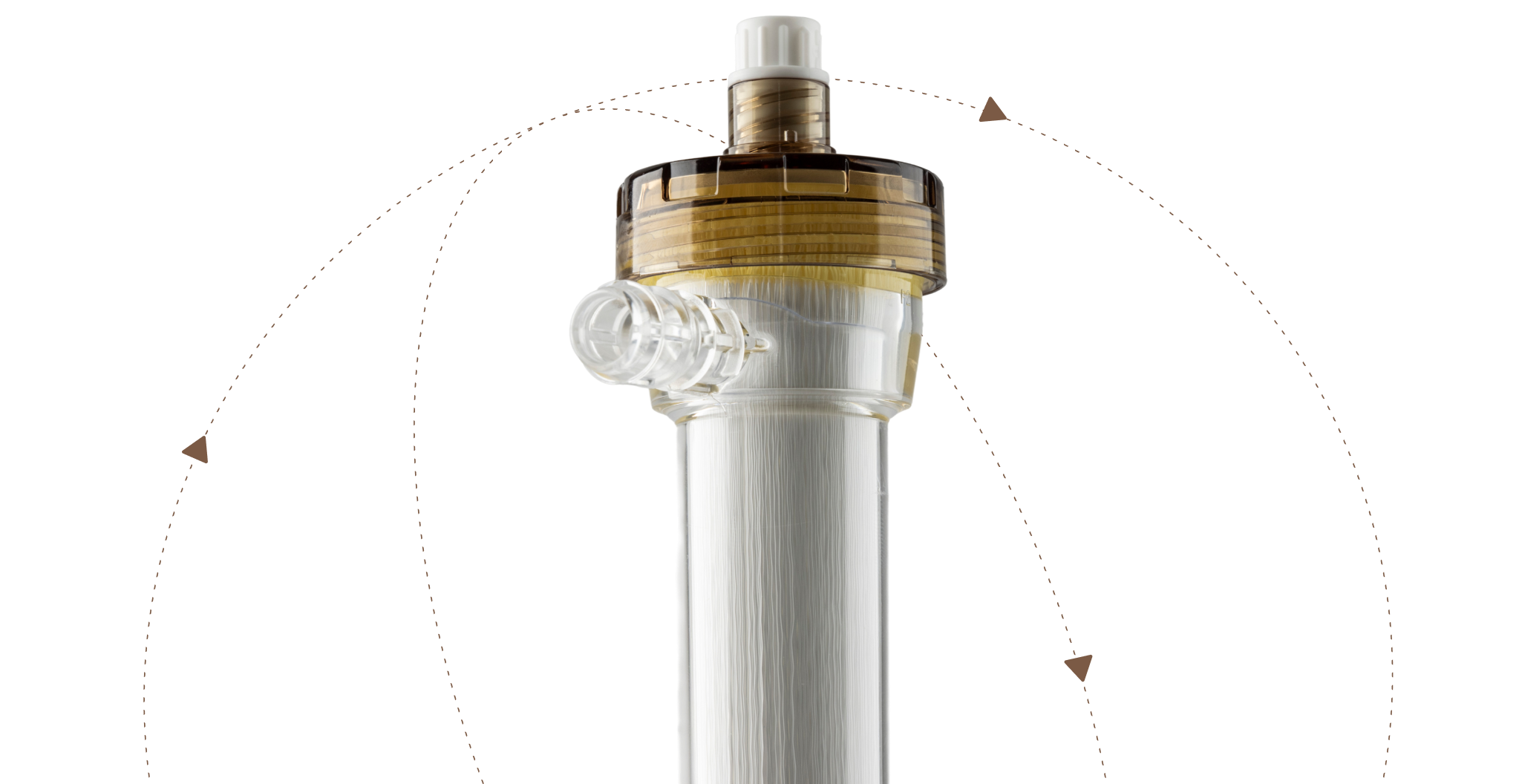
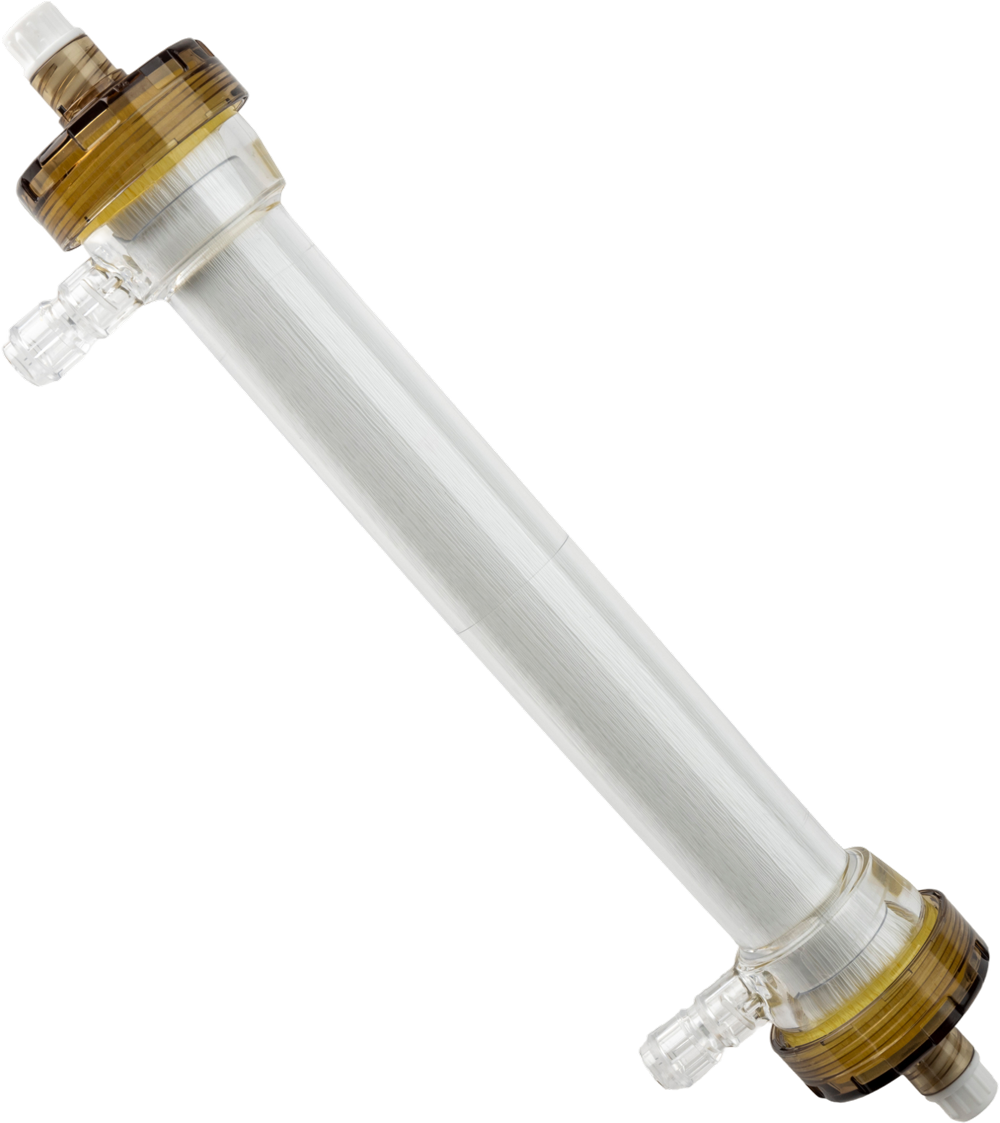
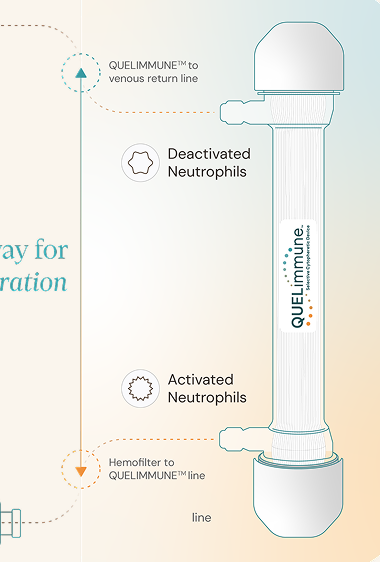
QUELIMMUNE™ is not a standalone machine; it is designed as a simple adjunct therapy. It connects directly in-line to an existing continuous renal replacement therapy (CRRT) circuit (such as Prismaflex or PrisMax), creating a low-shear extracorporeal pathway for the patient’s blood.
Chemistry
A Low-Calcium Environment
The therapy relies on standard Regional Citrate Anticoagulation (RCA) to maintain a strictly controlled, low-ionized calcium environment (<0.40 mmol/L) within the circuit. This specific chemistry is required for the device’s immunomodulatory process to function.
Cellular deactivation
Selective Cellular Deactivation
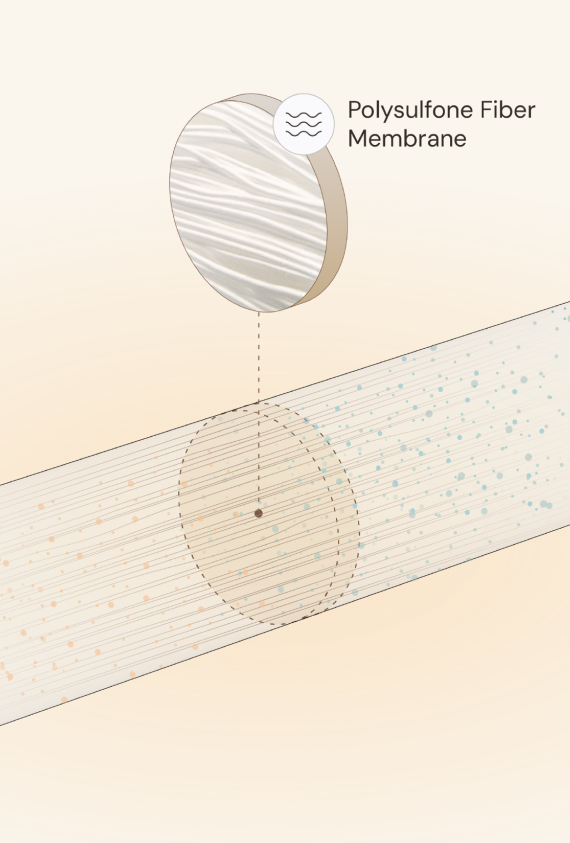
Within this low-shear, low-calcium environment, the device’s synthetic hollow fiber membranes selectively target and bind highly activated, pro-inflammatory neutrophils and monocytes. This acts as a temporary “timeout” for the hyperactive white blood cells driving the cytokine storm, calming them down without permanently removing them from the body.
Resolution
Restoring Systemic Homeostasis
Once deactivated, the targeted neutrophils undergo apoptosis, while the monocytes are reprogrammed into an anti-inflammatory, reparative phenotype. These calmed cells are then released back into systemic circulation, signaling the body to halt multi-organ damage and restore immune homeostasis—crucially achieving this without causing systemic immunosuppression.
Secure your spot today
August 2026. Live webinar. Expert faculty. Clinical insights you can implement immediately.